Somerset River Frome: 2019 to date
We follow the guidelines of the Riverfly Monitoring Initiative, collect samples of freshwater invertebrates and record the numbers of individuals found within eight easily identifiable groups. Four of these groups are the larvae of Ephemeroptera families: Ephemeridae (‘true’ mayflies which include Ephemera danica), Ephemerellidae (blue-winged olives), Heptageniidae (flat-bodied stone clingers), and Baetidae (olives), Cased Caddis, Uncased Caddis, Stoneflies and Freshwater Shrimps.
We have never found Stoneflies, although they have been identified in the town centre in Frome, but all the other species are listed and shown below.
Ephemeroptera
This order is part of an ancient group of insects termed the Palaeoptera, which also contains dragonflies and damselflies.
Mayfly nymphs (Ephemeroptera): mayflies are also highly sensitive to pollution and require clean, well-oxygenated water – their presence is indicative of unpolluted aquatic habitats

Mayflies have four stages to their lifecycle – egg, nymph, sub-imago and imago. Male mayflies form a swarm just above the water, females fly into the swarm to mate. After mating in flight the female falls onto the surface of the water and lays her eggs. They are often eaten by passing fish as she lies on the water.
MAYFLIES – Ephemera Danica (Green Drake)
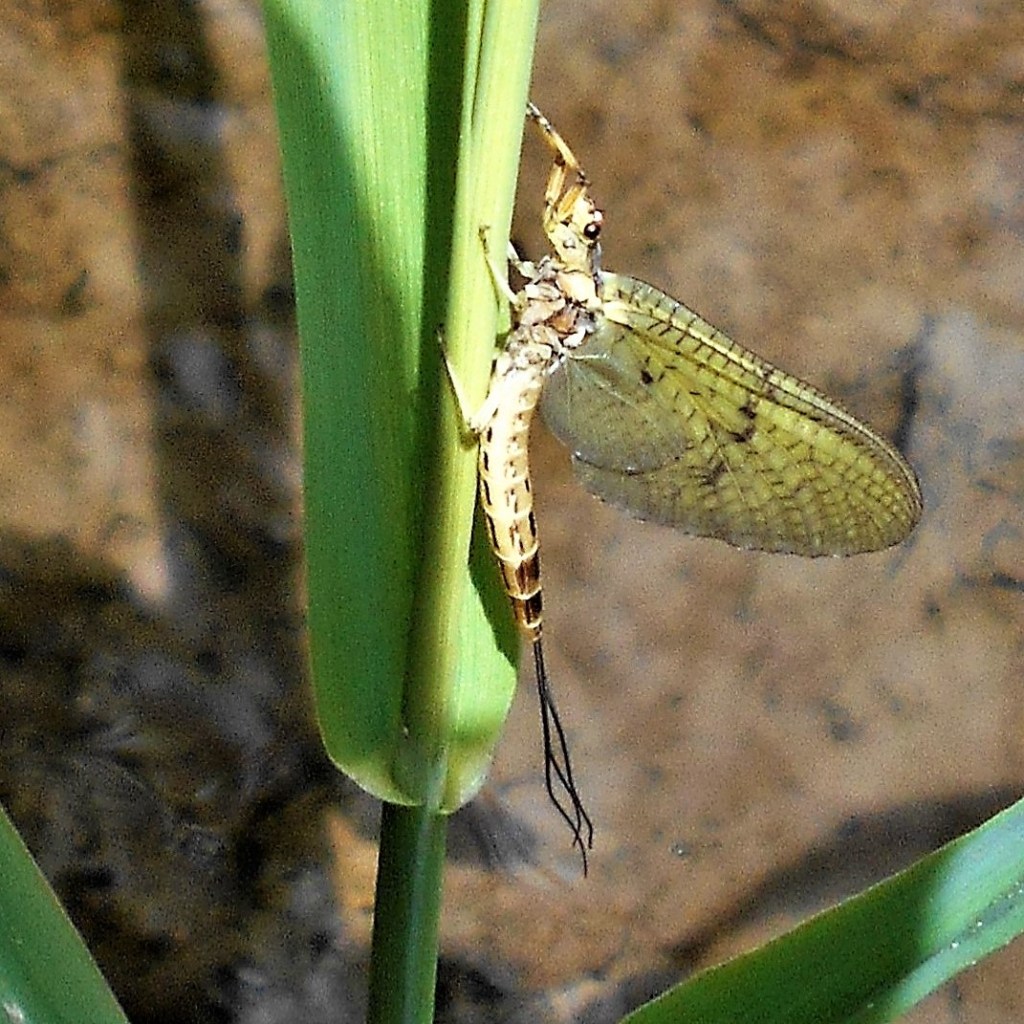
The Green Drake is the largest of our mayflies which emerge from the water in their thousands and fill the skies with dance. It is truly a natural wonder that has to be witnessed to be fully appreciated.

As the main hatch gets underway, almost every blade of grass, stinging nettle or any riverside plant has a mayfly clinging as they dry out after emerging from the river – it’s extraordinary to behold the sheer numbers!
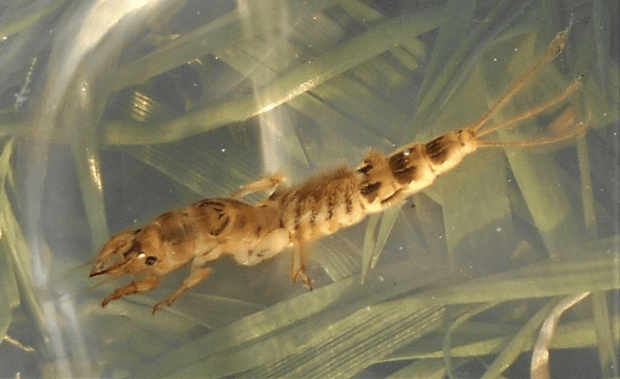
Green Drake (Ephemera Danica) burrowing Mayfly (Its 7 pairs of feather-like gills on its abdomen oscillate to produce currents of water to aid oxygen intake)
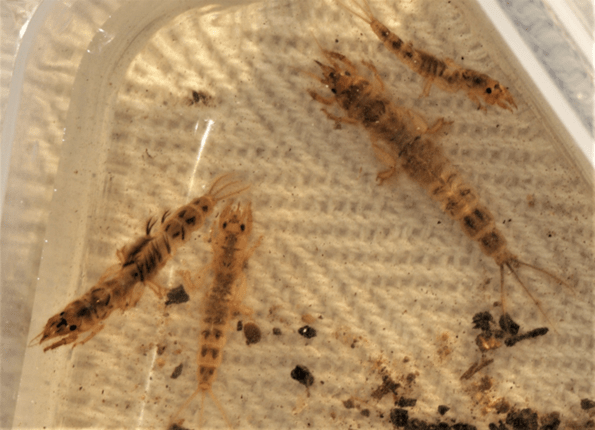
Green Drake (Ephemera Danica) burrowing Mayfly.
This the the most common Mayfly we see along our stretch of the Somerset River Frome, and the main hatch, often in mid-May, is spectacular in the sheer density of swarming insects above the river banks – watching the males ‘dance’ is mesmerising!

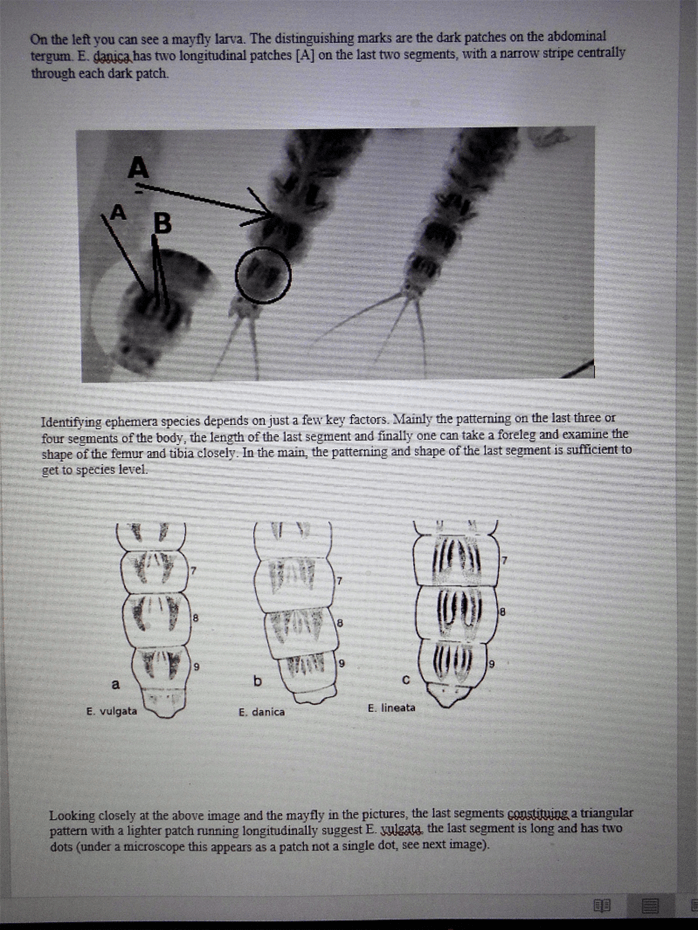
Who can disagree with the Scottish Wildlife Trust which writes “When on the wing in search for females, the males will fly vertically up then vertically down as if falling. It is as if they are dancing in the evening sunlight. If you are lucky enough to catch this natural wonder on a calm, clear summer’s evening, you will experience, in my opinion, one of the most beautiful natural sights there is on planet earth. The golden sunlight reflects off of the mayflies and gives this gold glitter effect.”
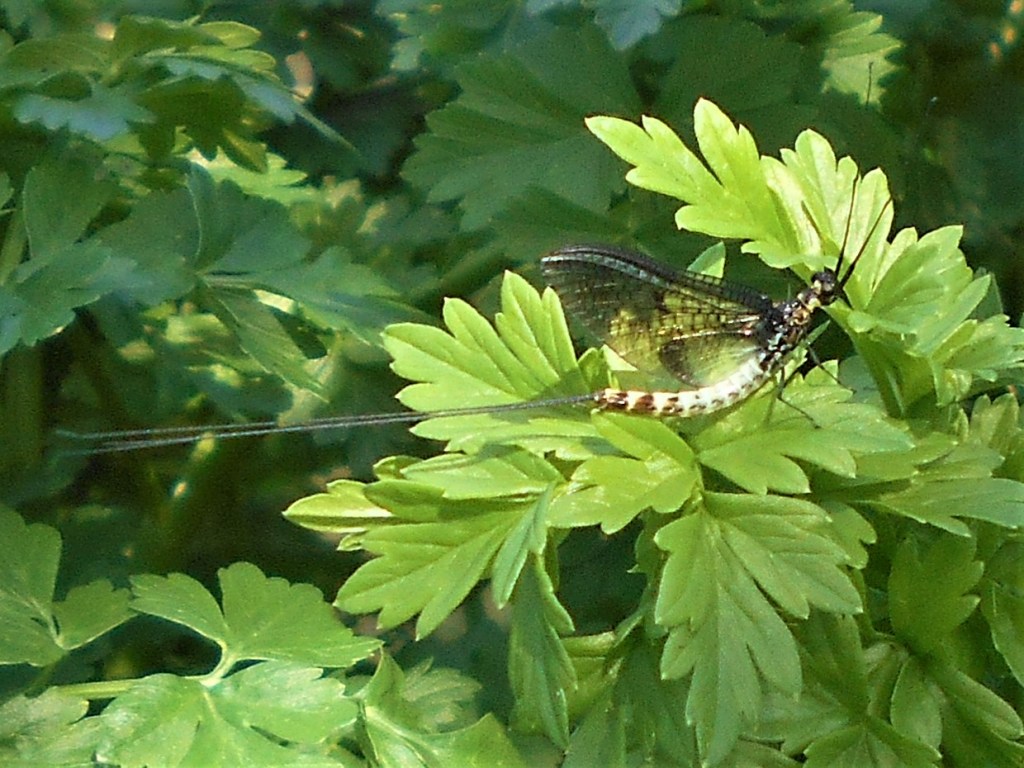
Mayflies – Olives : (Ephemerellidae)
Blue Winged Olive (Serratella ignita)
Blue Winged Olives nymphs are moss creepers and although they can swim when necessary they spend most of their formative months crawling within dense mosses or resting under stones where trout cannot easily find them. Distinguished by paired tubercles (paired bumps) on the dorsum (back) of the abdomen clearly visible in this images below, hence the need for a good clear photograph.


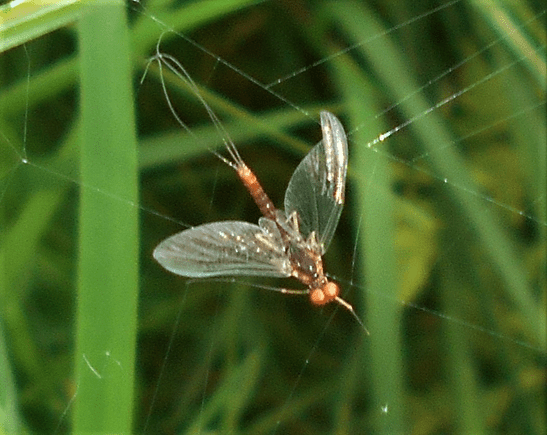
Mainly a mayfly of fast-flowing rivers and streams, when ready to hatch into duns, Bllue-Winged Olive nymphs swim up to the surface in open water, and at this stage trout can feed on them in either the nymph, emerger or dun stage. The BWO is one of those up-winged mayflies that retain the central tail when they transpose from nymph to dun.
Blue Winged Olive (Serratella ignita) Nymph
Blue Winged Olive Nymph

Blue-Winged Olive Dun (Serratella ignita) caught in a cobweb
Ecdyonorus – Flat-bodied Stone clinger
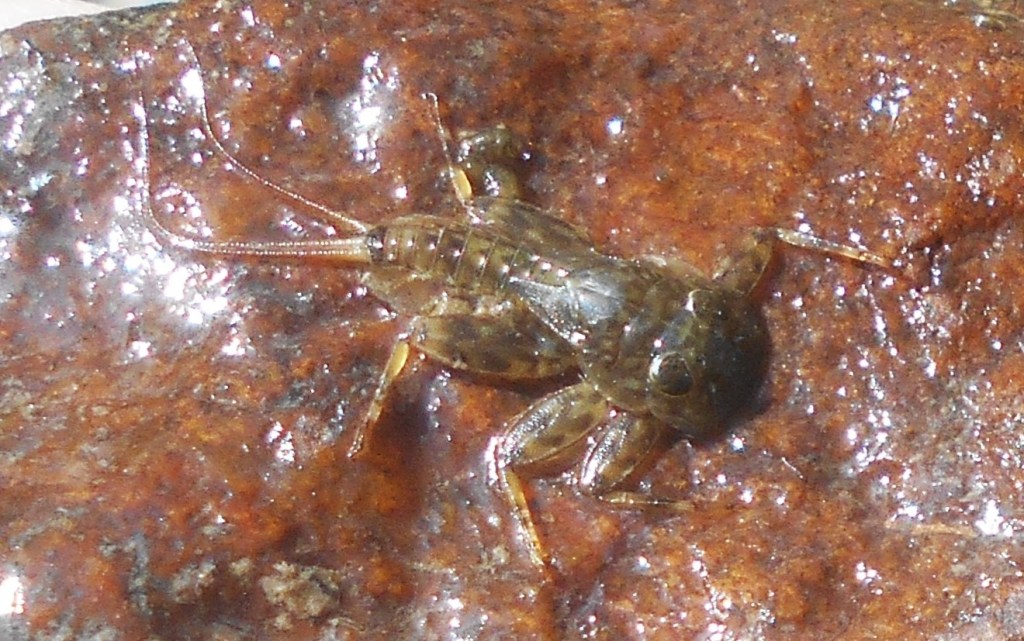
There are four Ecdyonurus species and all have similar looking nymphs – flattened with large head and tapering body.

They are distinguished from other nymphs in the Heptageniidae family by having side flanges on the pronotum.
Olives (Baetidae)

Leptophlebiidae

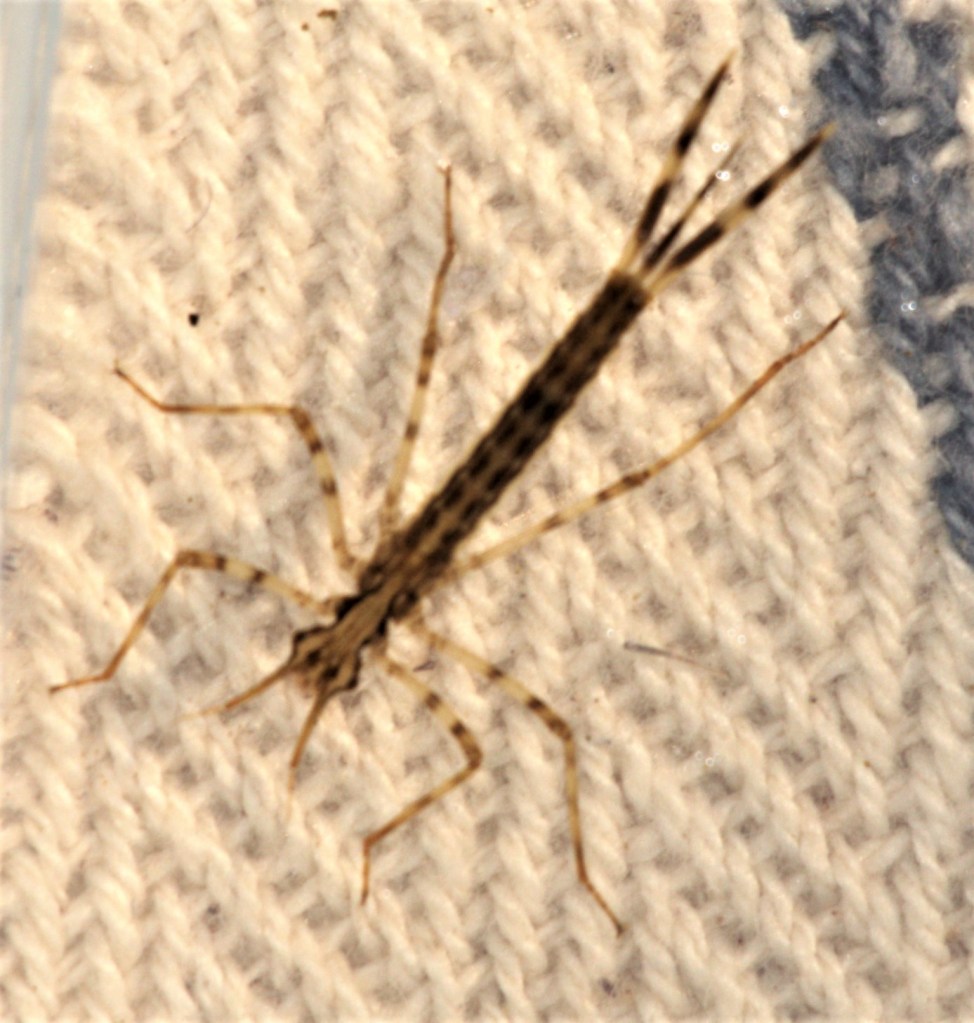
Prong gilled Mayfly, larvae tend to be found in gravel-bottomed streams, with woody debris, or among roots along banks, which pretty much details the local habitat.
A very interestng comment on the iRecord entry where Craig Macadam writes: “Possibly Paraleptophlebia submarginata – tails as long as body, tuning fork filaments, however no records in the area. Unable to ID to species from the photograph”. I only took one photograph and it wasn’t very clear, but I was more than happy with his confirmation that Leptophlebiidae was the correct identification as it was our first (and only) sighting of that family and is the only photograph of larva on iRecord although there are a number of mayflies .
The Riverfly Monitoring Initiative: Nationally 8 invertebrate target groups are identified and counted, namely Cased Caddis, Caseless Caddis, Mayfly (Ephemeridae), Blue-winged Olive (Ephemerellidae), Flat-bodied (Heptageniidae) Olives (Baetidae), Stoneflies and Freshwater Shrimps (Gammarus).
Trichoptera – Caddisfly Larvae
- 13,000 species worldwide, 1100 in Europe, over 230 in Northern Europe, and about 203 in Britain.
- Both adults and larvae are important food source of certain fish and birds.
- Trichos (Greek) = hair, pteron (Gk.) = wings; related to Lepidoptera (butterflies and moths)
- Adults. Usually found over or near freshwater.
- 2 pairs hairy wings, usually the rear wing is broader than the fore wing.
- At rest the wings are held roof-wise over the body.
- Mouthparts greatly reduced.
- Legs long with spurs at tip of tibia.
- Length 7 – 25 mm.
- Prominent, but small compound eyes and 3 ocelli.
- Long antennae, bristle-like and many segmented.
- Dull brown or grey.
- Weak fliers, and fly mainly in late afternoon or night.
- Larvae. Aquatic in clean freshwater. Caterpillar-like with six legs, usually found inside an open-ended cylindrical case, or filter feeding using nets, or free-living predators.
- Biting mouthparts.
- Abdomen terminates in a pair of hook-like prolegs.
Caddis Hatch

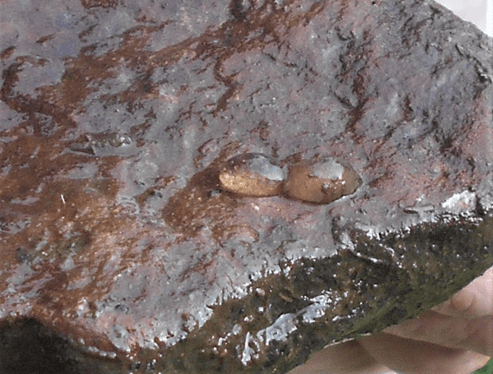
- Eggs – Eggs laid underwater on stones (Agapetus lay eggs on sand capstones) or plant stems or (like Glyphotaelius pellucidus on leaves of trees overhanging the river in a gelatinous mass. The eggs usually hatch around two weeks after they have been laid. If the water has dried up in a seasonal pond or stream the eggs can lie dormant for a few months. The eggs are covered with mucilage which swells upon contact with water. To the naked eye the eggs look like miniature frog spawn,

Underside of a capstone showing milky looking Agapetus eggs among cased caddis Gravel Beach.
Glyphotaelius pellucidus
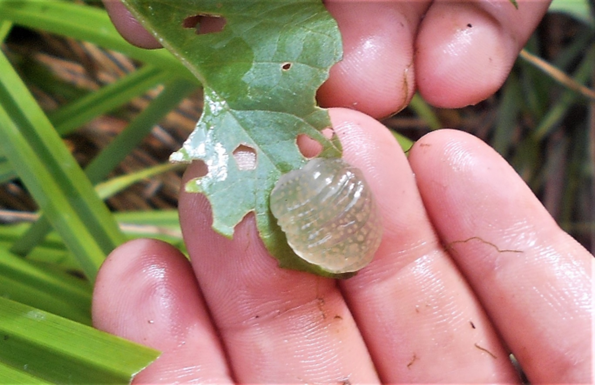
Glyphotaelius pellucidus is one of 40 members of the Family Limnephilidae. It is a species whose larvae can be found in rivers, streams, lakes, ponds, marshes and ditches, with fallen deciduous leaves. Its substratum preference includes particulate organic matter and plant material, in standing or slow-flowing water. Glyphotaelius pellucidus has a rather distinctive case made with disks cut from leaves on the dorsal and ventral surfaces.
CASED CADDISFLIES
Glossomatidae (Agapetus, Synagapet) Saddle-case Makers

Caddis larvae, living in a case they have made, are some of the most
familiar freshwater insects. A distinctive group, and very common on rocks in running water, are the six species of Glossosomatidae.
They make their rounded humped cases of coarse sand grains. If the ventral side is examined it will be seen that the two case openings are identical i.e. there is no front and back, and the larva uses both alternately as front.
For some unknown reason only two species are found in southern Britain. They graze algae and fine settled organic matter from the surface of rocks. The one most common in our river, and particularly abundant in the shallow tributaries, is Agapetus.
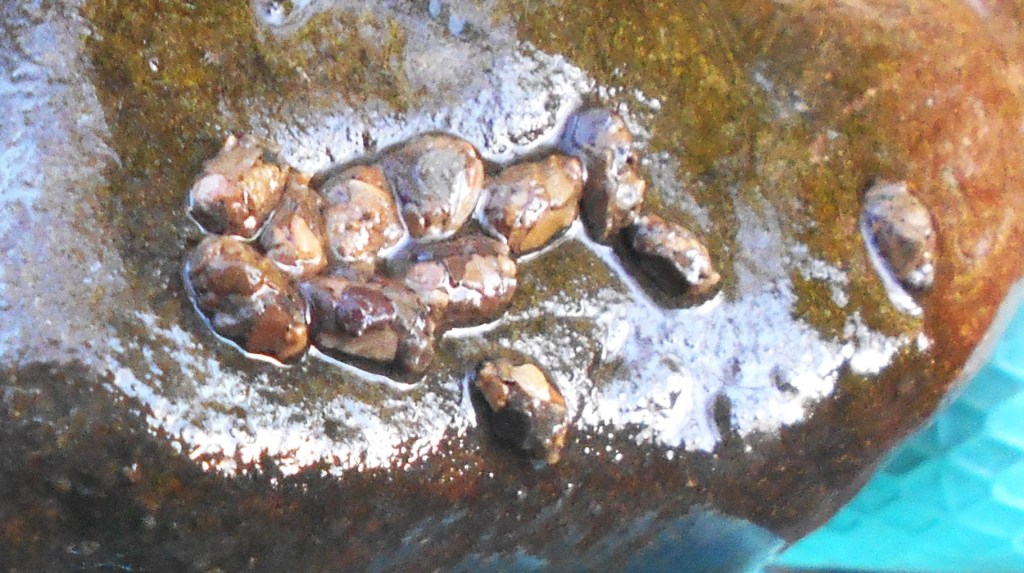
Each case is constructed by the newly emerged larva, by secreting a silk-like substance from glands near their mouths, which they use to stick together grains of sand, effectively creating a portable protective casing around themselves.
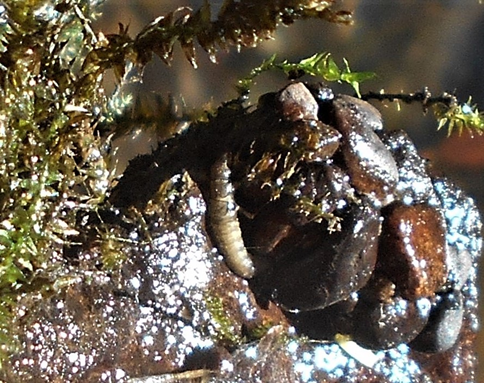
Rhyacophilidae (possibly dorsalis) emerging from its temporary retreat, a domed pupal cocoon enclosure of rock and stone fragments constructed at the beginning of the first larval stage.
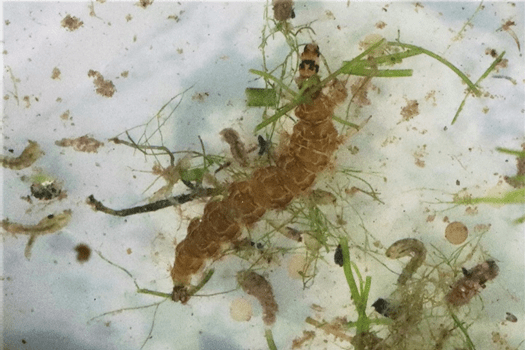
Female Ryacophilidae enter fast flowing water in a bubble of air to lay their eggs on the underside of stones.
DRAGONFLIES (Anisoptera) and DAMSELFLIES (Zygoptera)
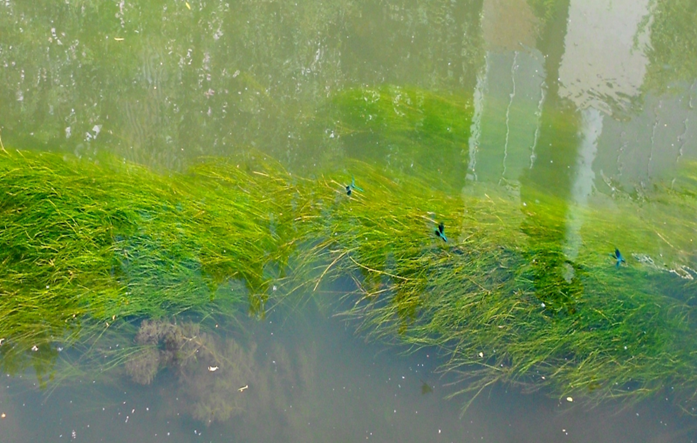
Banded Demoiselle Damselfly above Water Crowfoot / Gravel Beach
Water Crowfoot (Ranunculus spp.): water crowfoot is a plant species commonly found in clean, well-oxygenated freshwater streams and rivers its presence indicates good water quality and suitable habitat conditions for other aquatic organisms such as fish. (For some unknown reason this plant does not flower every year).
Stoneflies – Not yet found
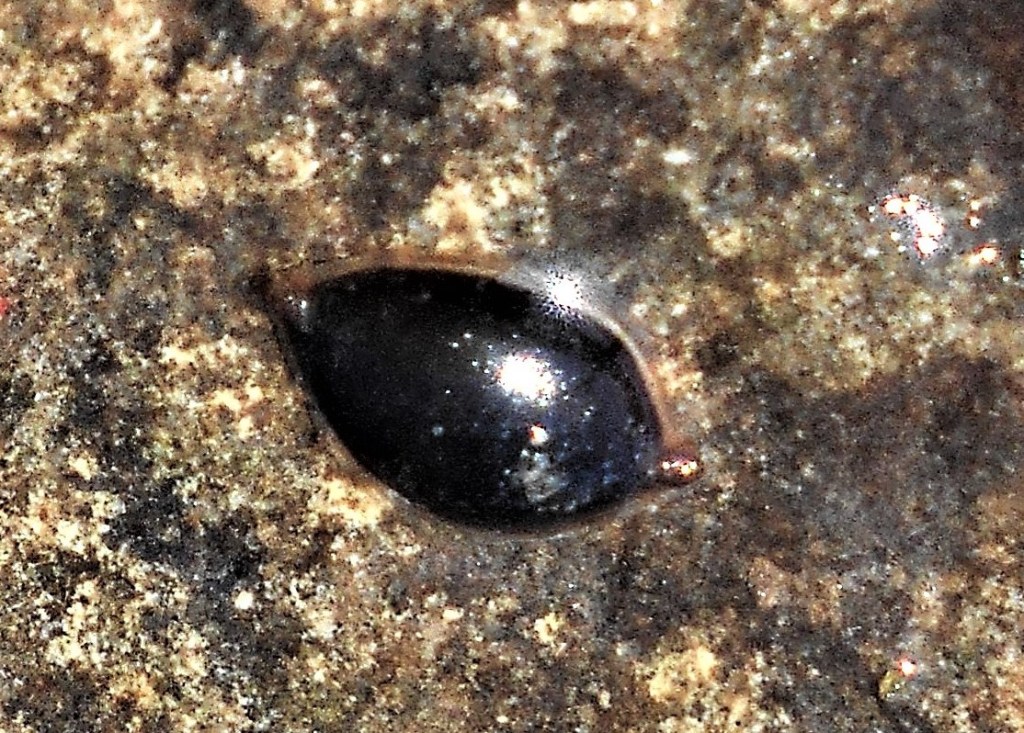
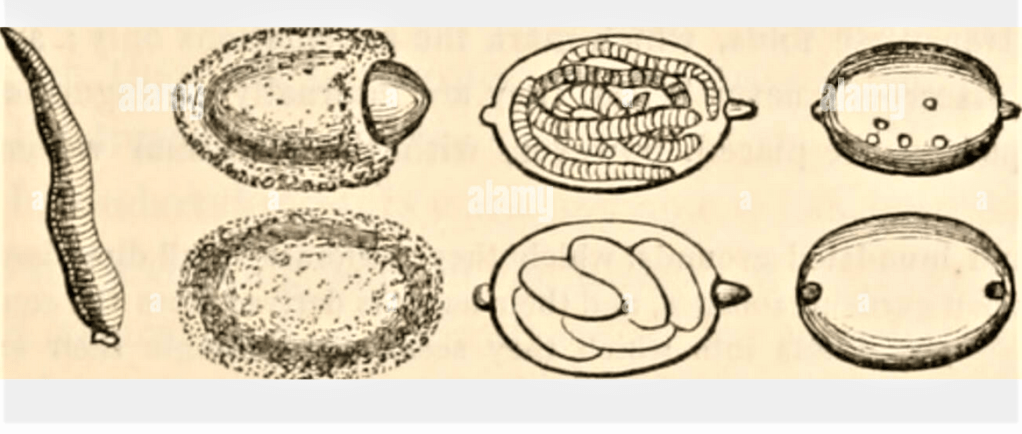
River Leech
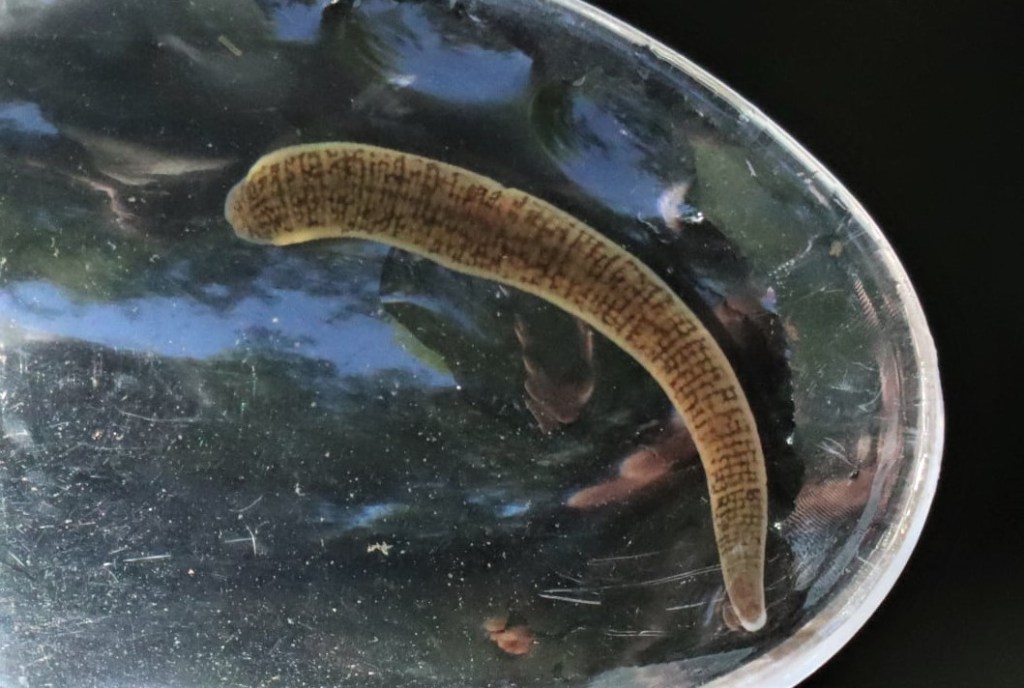
This is the only river leech we have been able to positively identify through iRecord.

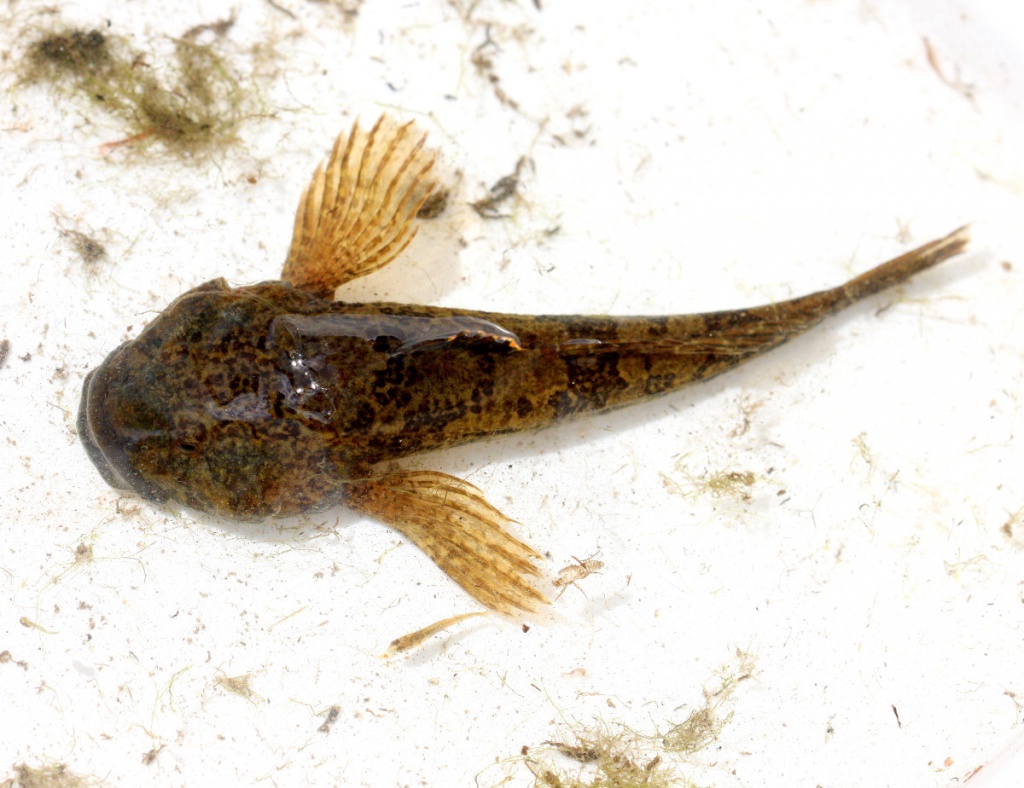
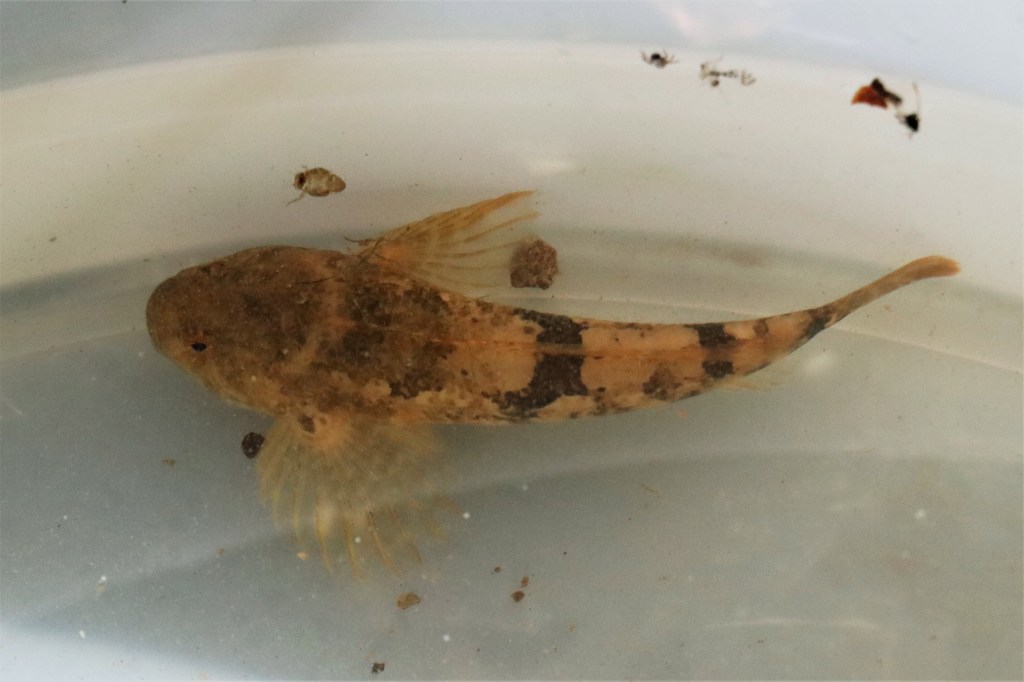
Common Bullhead


 WILD WAY Route 24 :